
In recent years, drones have emerged as game-changers across multiple sectors, ranging from logistics to photography. One area where drones are making a surprising impact is the cleaning industry. Their ability to reach difficult locations, combined with advanced sensors and cleaning attachments, has introduced innovative approaches to cleaning in both urban and industrial environments. Below, we explore the ways in which drones are revolutionizing the cleaning industry and transforming traditional methods.
Reaching Difficult and Hazardous Locations
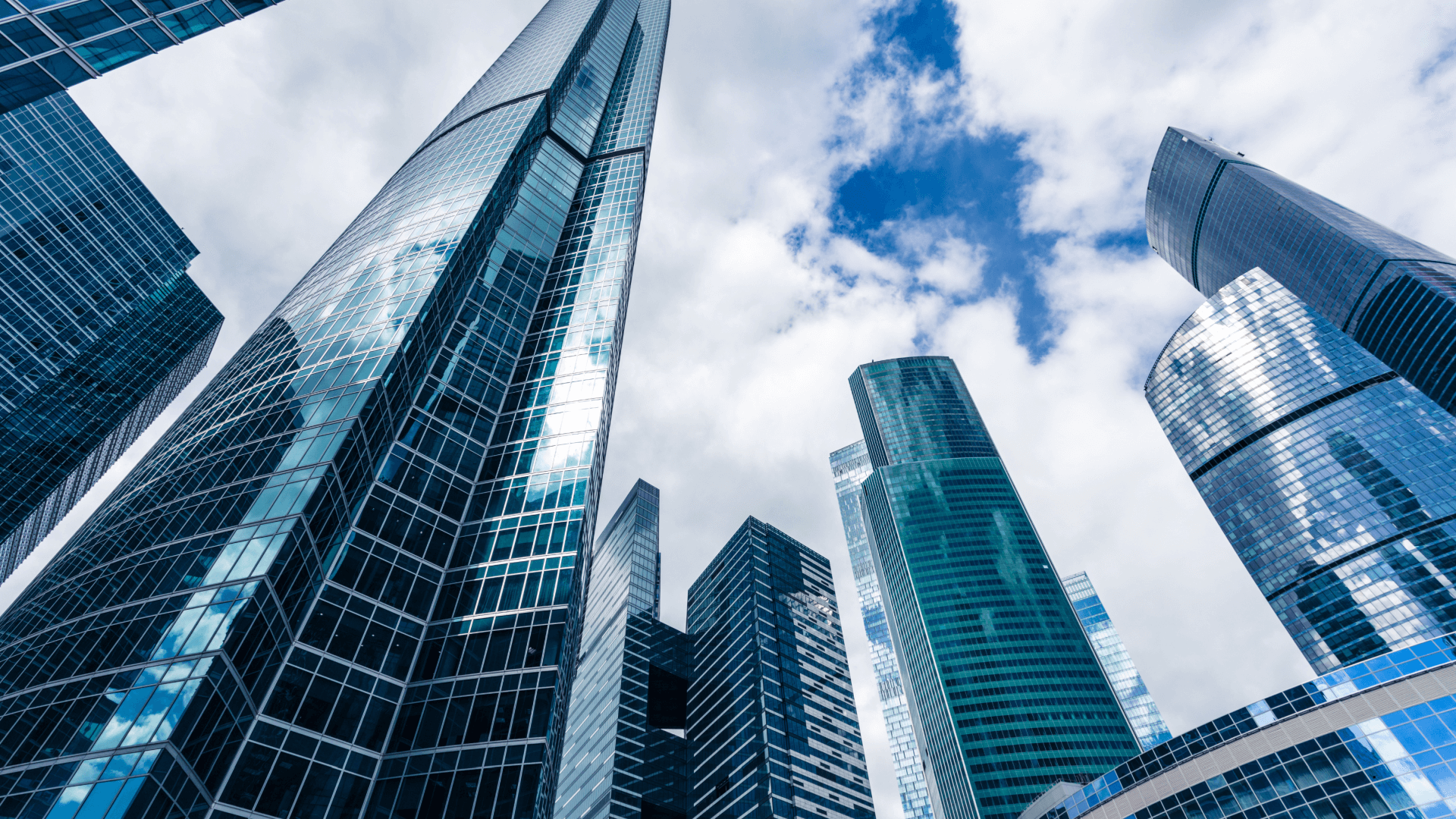
One of the most significant benefits of using drones for cleaning is their ability to access areas that are hard to reach or dangerous for humans. Drones can easily ascend to high places such as skyscraper windows, bridges, wind turbines, or even solar panels, where traditional methods would require scaffolding or cranes. This makes tasks such as window washing, facade cleaning, or even rooftop inspections faster, safer, and more efficient.
In hazardous locations like nuclear power plants, chemical factories, or offshore rigs, drones eliminate the need for humans to be exposed to toxic substances or high-risk environments. By flying into these areas and conducting cleaning or inspections, drones ensure safety while reducing costs related to labor and protective equipment.
Industrial Cleaning and Maintenance
Industrial facilities are often large, with complex layouts that make cleaning a time-consuming process. Drones equipped with high-pressure nozzles or other cleaning devices can efficiently clean machinery, warehouses, or even silos, cutting down on the time and manpower required.
In the energy sector, for example, drones are being used to clean solar panels. Accumulated dirt, dust, and debris reduce the efficiency of solar panels. Drones equipped with brushes and water spray systems can clean these panels without disrupting operations, keeping the energy output at optimal levels.
Reduced Costs and Increased Efficiency
Traditionally, large-scale cleaning projects often require significant investments in equipment like cranes, scaffolding, and safety gear, as well as a substantial workforce. Drones are helping reduce these costs by automating much of the process. A single drone operator can often replace a whole team of cleaners, saving both time and money.
Additionally, drones operate quickly and can cover large areas more efficiently than human workers. For example, in cleaning skyscraper windows, a drone can move from one window to another with ease, without the need for workers to repeatedly set up and take down equipment. This efficiency translates into lower operational costs for businesses, making drone cleaning services an attractive option.
Eco-Friendly Cleaning Solutions
Another revolution that drones bring to the cleaning industry is the ability to offer environmentally friendly cleaning solutions. By optimizing the cleaning process, drones can reduce the amount of water and chemicals needed for tasks. They can be programmed to target specific areas with precision, avoiding unnecessary waste.
Moreover, the drones themselves can be battery-operated, further reducing the environmental impact compared to fuel-powered machinery traditionally used in industrial cleaning.
Innovative Data Collection and Monitoring
Beyond cleaning, drones are also excellent tools for collecting data and monitoring the condition of surfaces and structures. Equipped with advanced sensors and cameras, drones can inspect buildings, bridges, and other structures before or after cleaning to assess damage or wear. This dual functionality saves time by combining inspection and cleaning in a single process.
For example, after cleaning the exterior of a building, drones can capture high-resolution images to ensure that the job was done thoroughly and check for any signs of structural damage. In this way, companies can use drones to monitor the state of their assets and schedule regular cleanings or repairs when necessary.
Enhanced Urban and Public Space Cleaning
Cities are beginning to employ drones for tasks such as cleaning public spaces and infrastructure, including statues, public transportation hubs, and even graffiti removal from walls and bridges. Drones equipped with cleaning fluids or high-pressure hoses can access narrow spaces that traditional equipment cannot.
Drones are also being utilized for pollution control. In some cities, drone technology is used to clean smog from the air by dispersing water or specialized chemicals, thus improving air quality in dense urban environments. These kinds of applications highlight the potential for drones to take on more public service roles in urban cleaning.
Challenges and Future Potential
While drones have great potential in revolutionizing the cleaning industry, there are still some challenges that need to be addressed. Current limitations include battery life, payload capacity, and regulatory restrictions on flying drones in certain areas. As drone technology continues to advance, improvements in these areas are expected, further enhancing their cleaning capabilities.
Looking ahead, the integration of artificial intelligence (AI) could lead to even smarter drones capable of performing more complex cleaning tasks autonomously. The future may see fleets of AI-driven drones that clean entire buildings or public spaces without any human intervention, signaling a new era of automation in the cleaning industry.
Conclusion
Drones are undoubtedly reshaping the cleaning industry by offering safer, faster, and more cost-effective solutions. From accessing hard-to-reach places to reducing costs and environmental impact, the applications of drones in cleaning are vast and continually expanding. As the technology evolves, it is clear that drones will play an even larger role in maintaining cleaner, safer, and more efficient spaces, both in industrial and urban environments.