
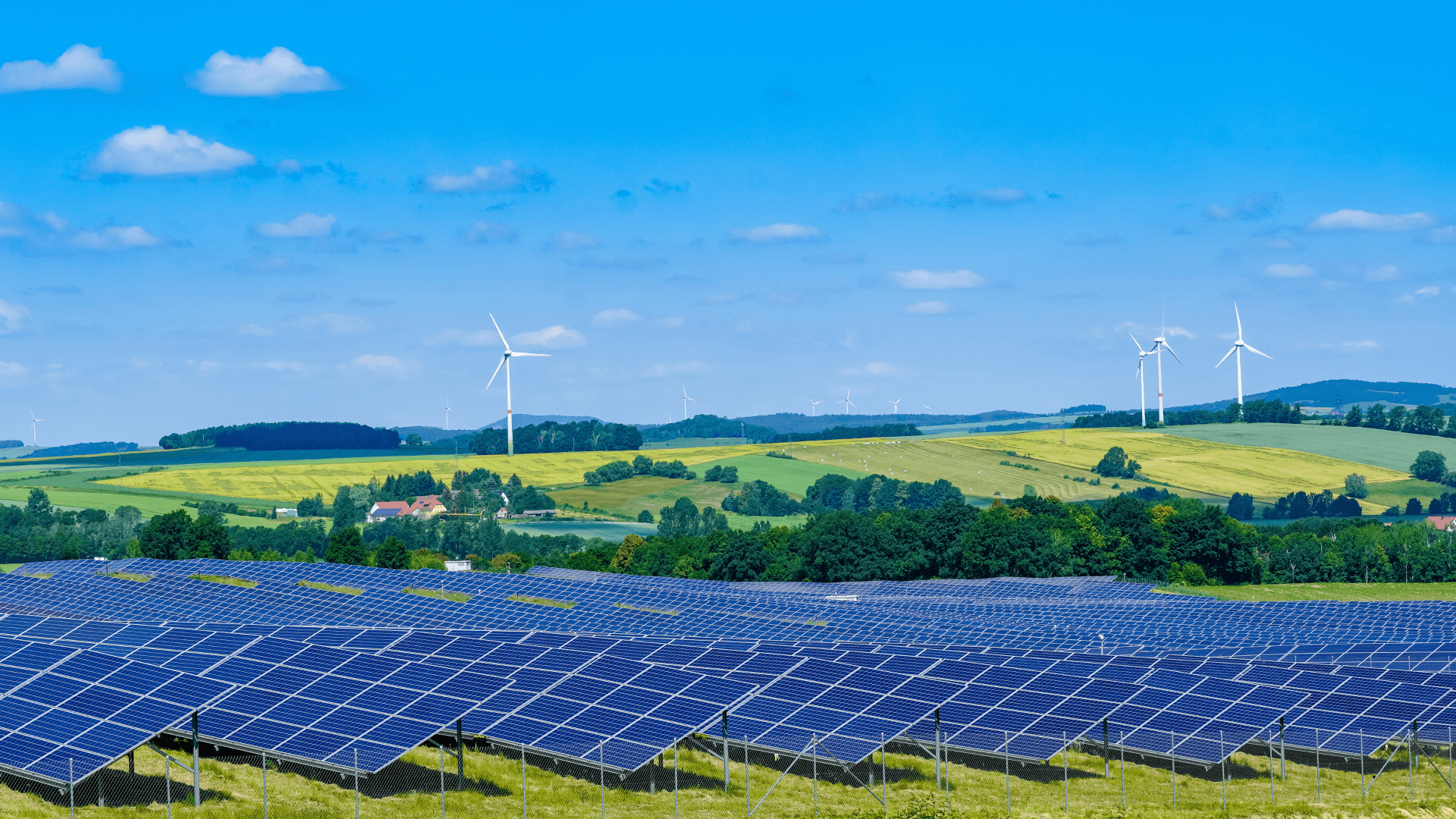
Solar energy is a growing pillar of sustainable power production, but its efficiency depends heavily on the cleanliness of the solar panels. Dust, dirt, bird droppings, and other debris accumulate on solar panels, reducing their ability to absorb sunlight and convert it into energy. Traditionally, cleaning solar panels has been a labor-intensive process, often requiring large amounts of water, scaffolding, or specialized equipment. However, drones are emerging as an innovative solution to this challenge, offering numerous benefits. Below are some key advantages of using drones for cleaning solar panels.
Increased Efficiency and Speed
One of the most significant benefits of drone-assisted cleaning is the speed and efficiency with which they can clean large solar farms. Traditional manual cleaning requires significant time and manpower, as workers have to move from panel to panel, often over vast areas of land. Drones, on the other hand, can fly across these fields quickly and clean panels with specialized attachments like high-pressure water jets, brushes, or air blowers.
In a matter of hours, drones can clean the same number of panels that would take a team of workers days to complete, minimizing downtime and maximizing the efficiency of the solar farm.
Access to Difficult and Large-Scale Areas
Solar panels are often installed in large arrays on rooftops, open fields, or in remote areas. Manually cleaning panels in these locations can be logistically challenging, especially on sloped roofs or uneven terrain. Drones eliminate the need for workers to access these difficult locations by flying directly over the panels.
For example, large solar farms in deserts or remote areas, where infrastructure might be minimal, can be cleaned easily with drones, reducing the need for complex setups such as scaffolding, lifts, or water hoses that would be required for manual cleaning.
Water Conservation
Traditional solar panel cleaning methods often involve significant water usage, especially in dry and dusty environments. Water trucks are typically brought in to spray down the panels, and this process can lead to waste, particularly in regions where water is a precious resource.
Drones are helping to reduce water consumption in solar panel cleaning by using more precise and efficient cleaning techniques. Some drones are designed to carry minimal water and instead use advanced cleaning technologies such as brushes or air jets to dislodge dirt and debris without the need for large quantities of water. This can result in significant water savings over time, making the process more sustainable, particularly in water-scarce areas.
Reduced Labor Costs and Risk
Cleaning solar panels manually requires a skilled workforce, which can lead to high labor costs, particularly in large installations. Drones help reduce these costs by automating much of the cleaning process. One operator can control multiple drones, drastically cutting down the number of workers required.
Moreover, the use of drones eliminates the need for workers to physically climb onto rooftops or scale large solar installations, reducing the risk of accidents and injuries. This enhances worker safety, minimizes the need for protective gear, and lowers insurance costs related to labor.
Minimal Disruption to Operations
When solar panel arrays are cleaned manually, especially on rooftops or in large solar farms, there is often a need to halt operations or restrict access to certain areas. This can lead to costly downtime, which in turn affects the energy production of the facility.
Drones offer a solution by allowing cleaning to be done with minimal disruption. Since drones can fly over panels without obstructing operations, cleaning can be conducted more frequently without shutting down the system, ensuring that the solar farm operates at peak efficiency at all times.
Better and More Consistent Cleaning Results
Drones equipped with cameras and sensors offer the ability to perform thorough inspections of the panels both before and after cleaning. This helps ensure that no dirt or debris is missed, leading to better and more consistent results. Unlike human workers, who may overlook certain areas, drones can be programmed to follow a precise cleaning path, covering every inch of the panel surface with consistent pressure.
Furthermore, drones can also be equipped with thermal cameras to detect hot spots or areas where the panels may be malfunctioning. This dual functionality allows operators to identify any issues that need to be addressed while cleaning, saving both time and effort.
Reduced Environmental Impact
Using drones to clean solar panels can reduce the environmental footprint of the process. As mentioned earlier, drones help conserve water by using less of it, and they also eliminate the need for fuel-powered equipment such as water trucks, which would otherwise be used to transport water to the site. Most drones run on rechargeable batteries, which means they can be powered using the same renewable energy that the solar panels generate.
By minimizing the use of water, fuel, and chemicals, drones provide a more eco-friendly approach to maintaining solar panels, aligning with the broader goal of sustainability in solar energy production.
Cost-Effective Over Time
While the initial investment in drone technology may seem significant, the long-term cost savings are substantial. Drones reduce the need for human labor, lower the consumption of water and cleaning supplies, and minimize the downtime associated with manual cleaning processes. Over time, these savings add up, making drone-assisted cleaning a highly cost-effective option for solar farm operators.
Additionally, drones help solar panels maintain peak performance, which directly translates to higher energy production and, ultimately, more revenue for solar energy companies.
Conclusion
The use of drones to clean solar panels is proving to be a highly beneficial innovation in the renewable energy sector. From improving cleaning efficiency and reducing costs to conserving water and enhancing worker safety, drones provide a solution that is both technologically advanced and environmentally sustainable. As solar energy continues to expand as a key source of renewable power, the adoption of drones for cleaning solar panels is likely to grow, ensuring cleaner panels and more efficient energy production across the globe.